Connected Kidney Management (CKM):
A SMART‑on‑FHIR Platform for Patient–Clinician Engagement

A patient‑centred platform that enables real‑time symptom reporting, proactive nursing response, and interoperable care using FHIR standards.

Overview

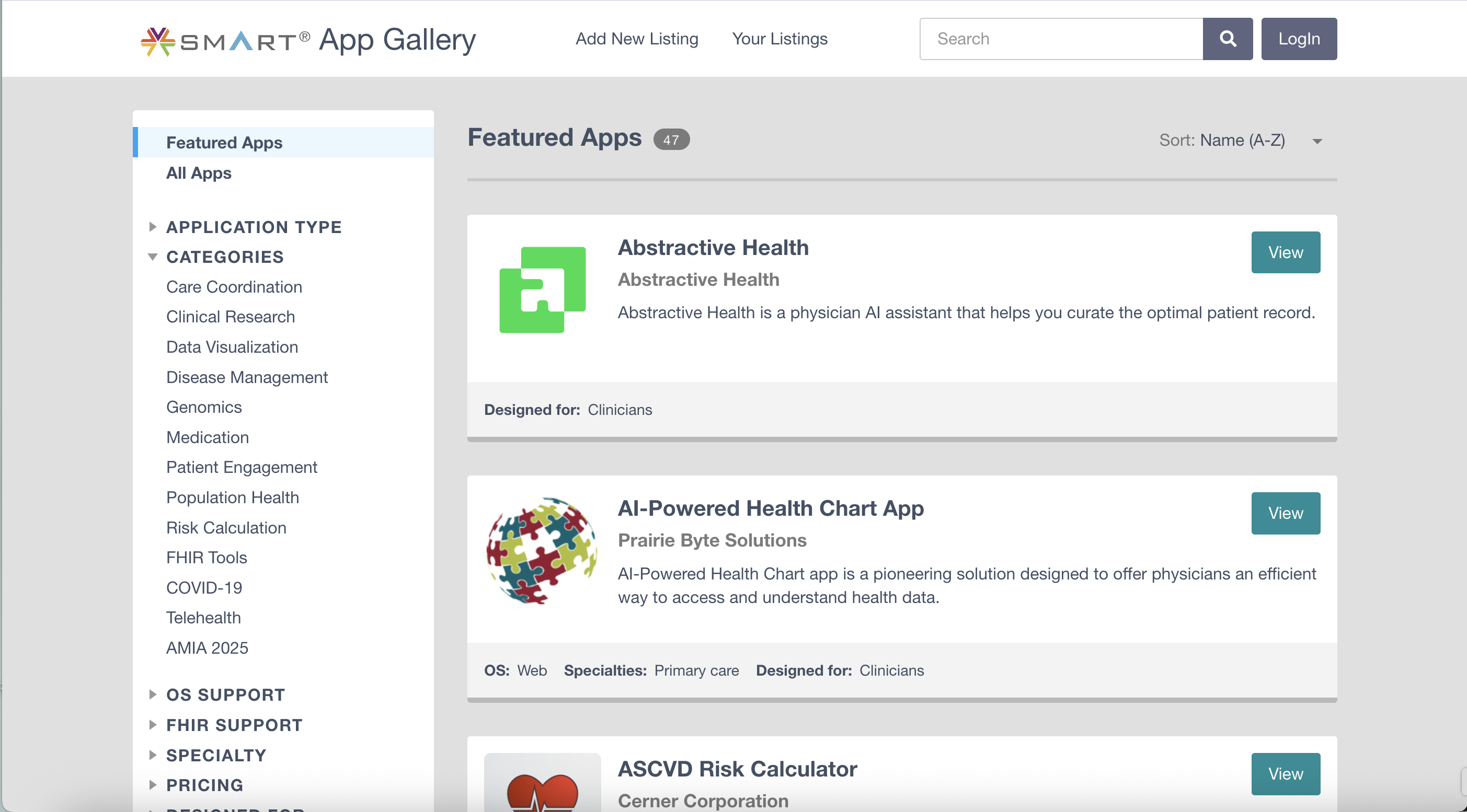
Health care providers increasingly use electronic medical records (EMRs), but sharing the data they contain and making it available for innovative purposes has long been an unsolved problem. FHIR (Fast Healthcare Interoperability Resources) is based on modern REST APIs and a family of JSON objects that instantiate the data model. FHIR is achieving unprecedented acceptance and has become the basis for turning EMRs into app platforms similar in many respects to smartphone applications.

As part of the COMP3820 Digital Health Software Project at The University of Queensland, our team (ByteHealth) collaborated with a healthcare client to design and develop a SMART‑on‑FHIR application. The project addresses a critical challenge in ESRF care: improving symptom recognition and communication for patients and clinicians.

The Problem

Patients with ESRF (eGFR < 15) often experience symptoms—swelling, nausea, shortness of breath—that are not recognised as kidney‑related. Warning signs are missed, delaying interventions and increasing hospital admissions. Communication among nephrologists, palliative care specialists, and GPs can be fragmented, further slowing coordinated care.

The Solution

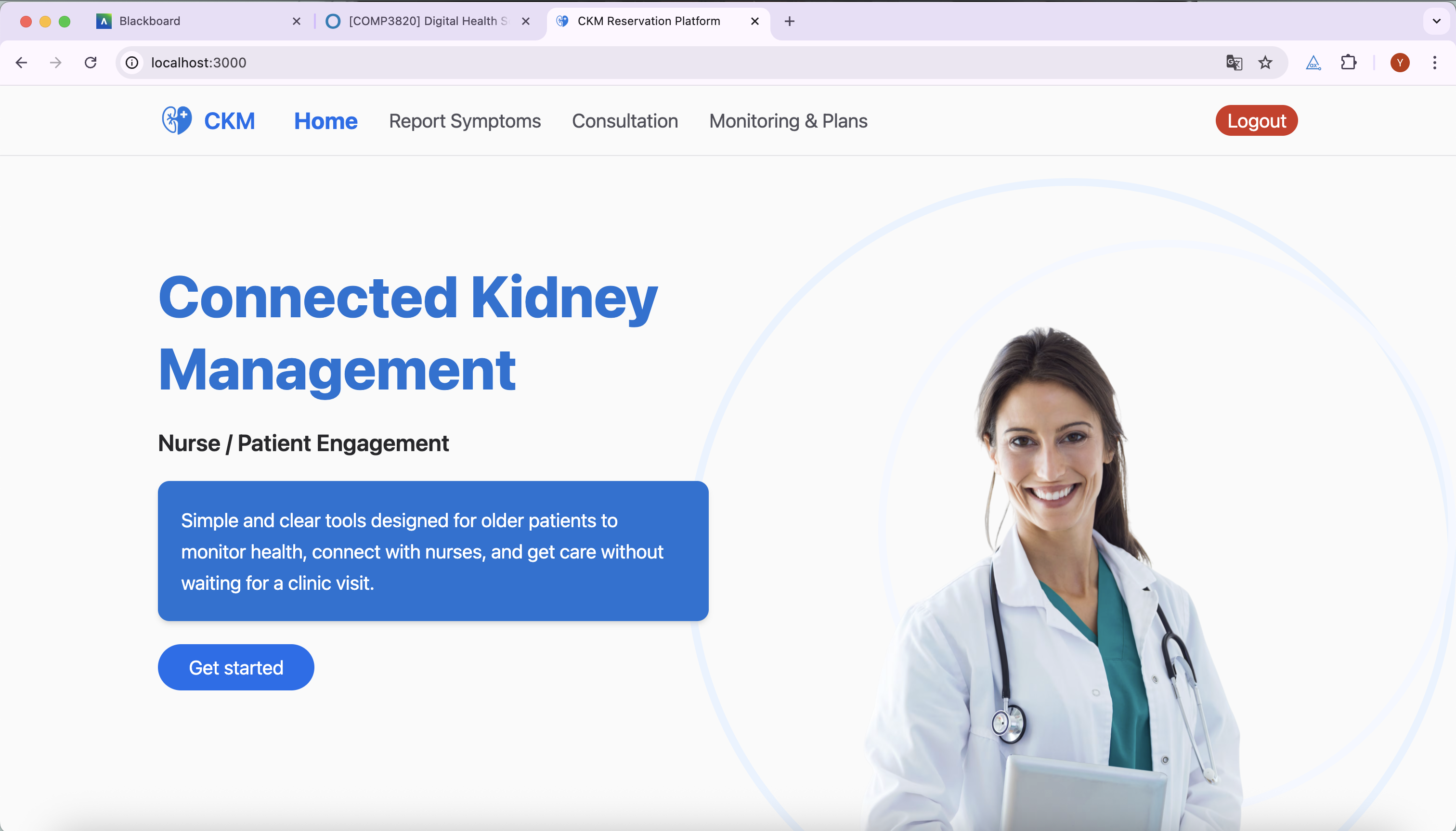
The Connected Kidney Management (CKM) platform empowers patients, caregivers, and clinicians with real‑time symptom reporting and care coordination. Patients can log symptoms, upload photos, and set consultation preferences; nurses receive alerts for timely intervention. Using FHIR and SMART‑on‑FHIR, CKM integrates securely with EMRs and scales for future extensions.

Key Features

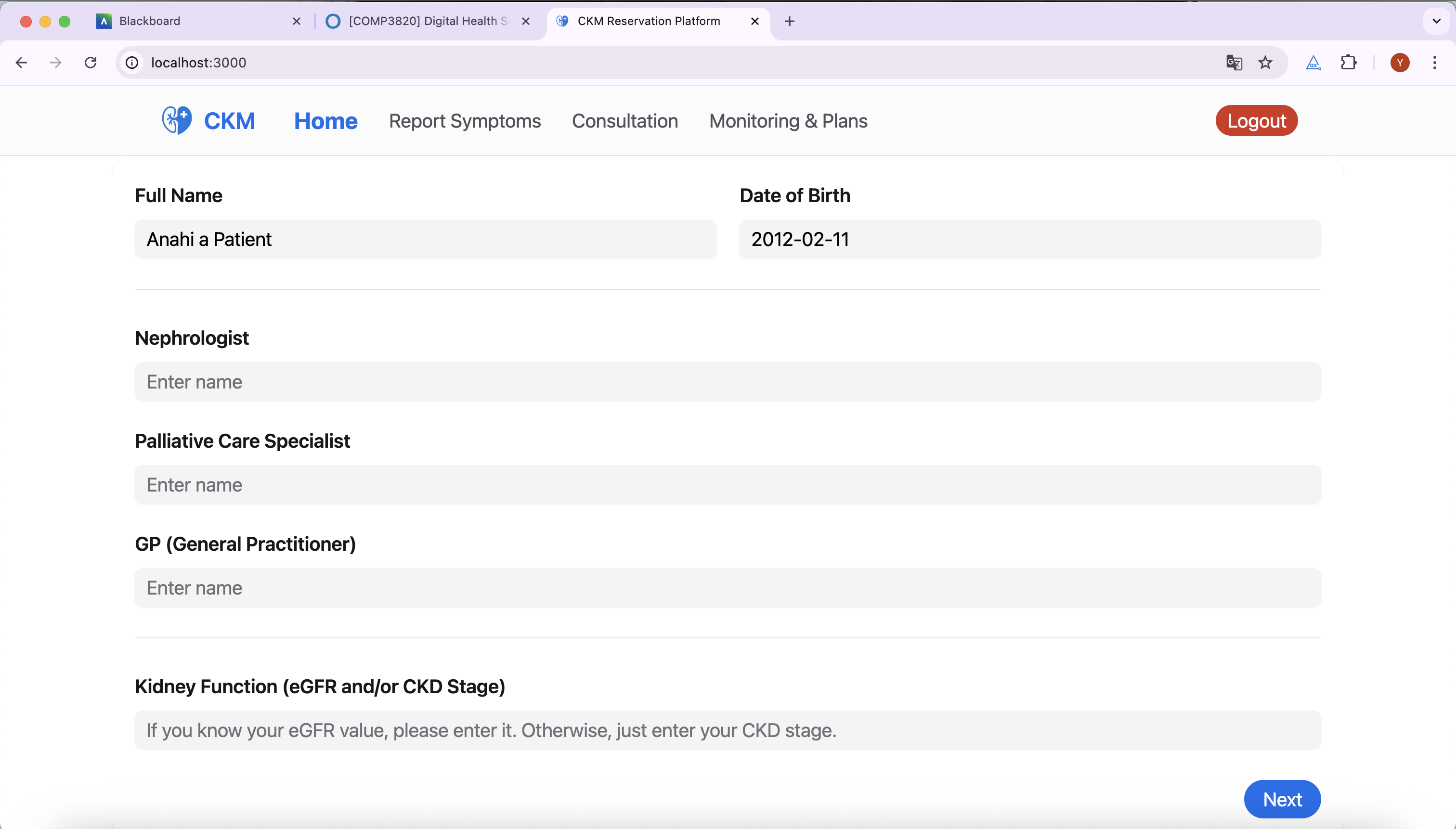
  • Patient Dashboard: Demographics, care team, and eGFR at a glance.
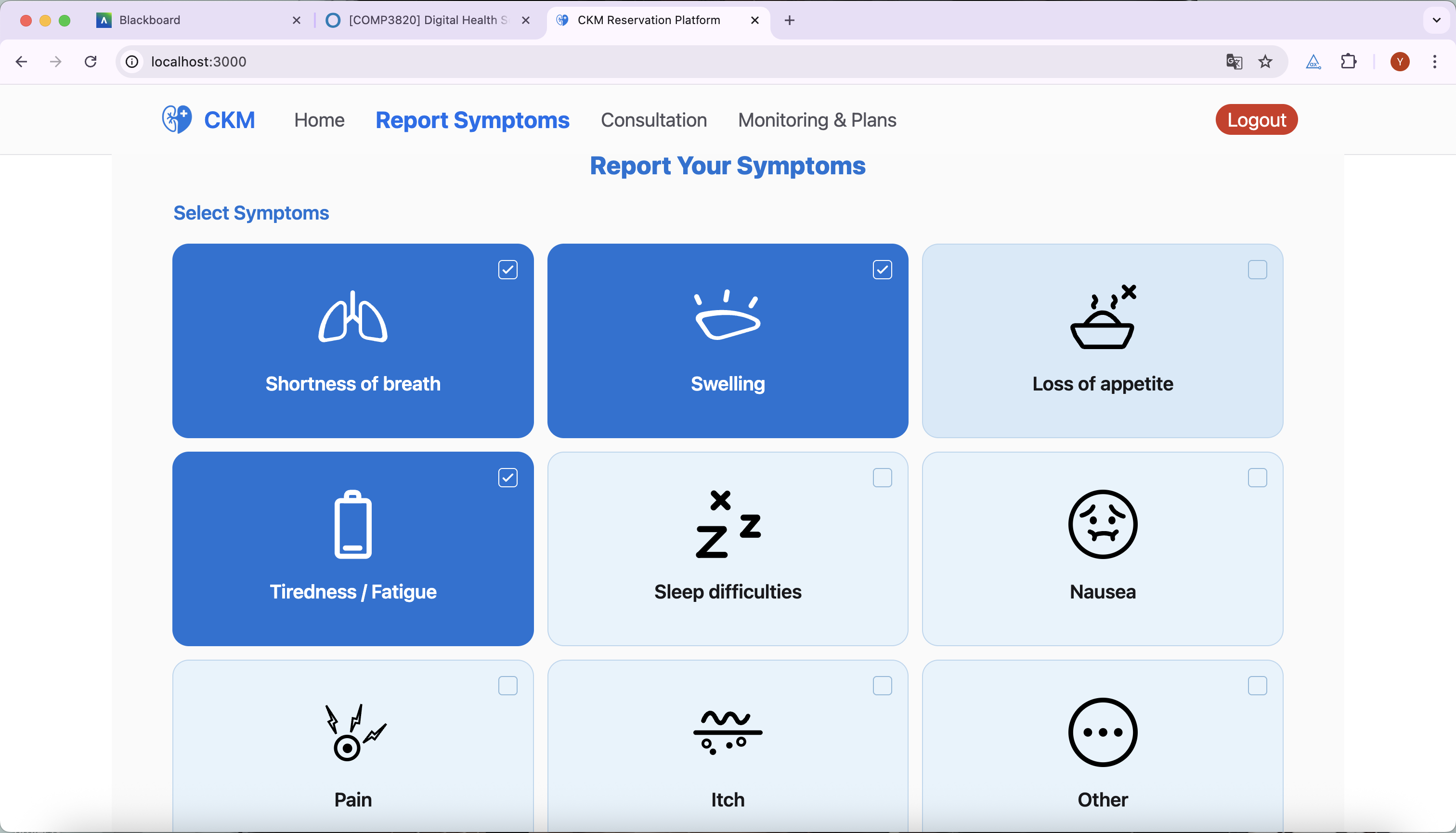
  • Symptom Reporting: Simple UI with large buttons; photo upload supported.
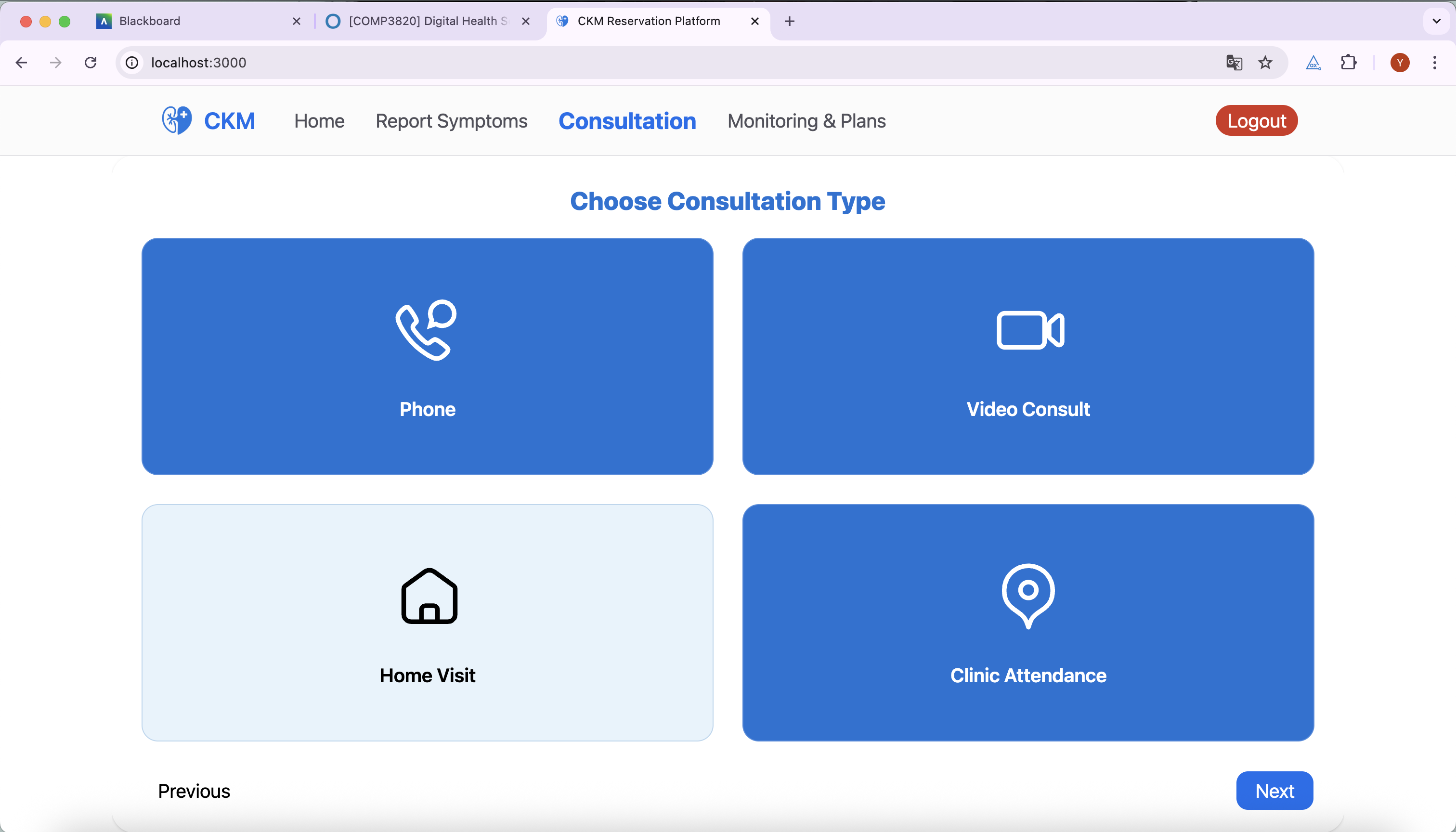
  • Consultation Preferences: Telehealth, video, home visit, or clinic attendance.
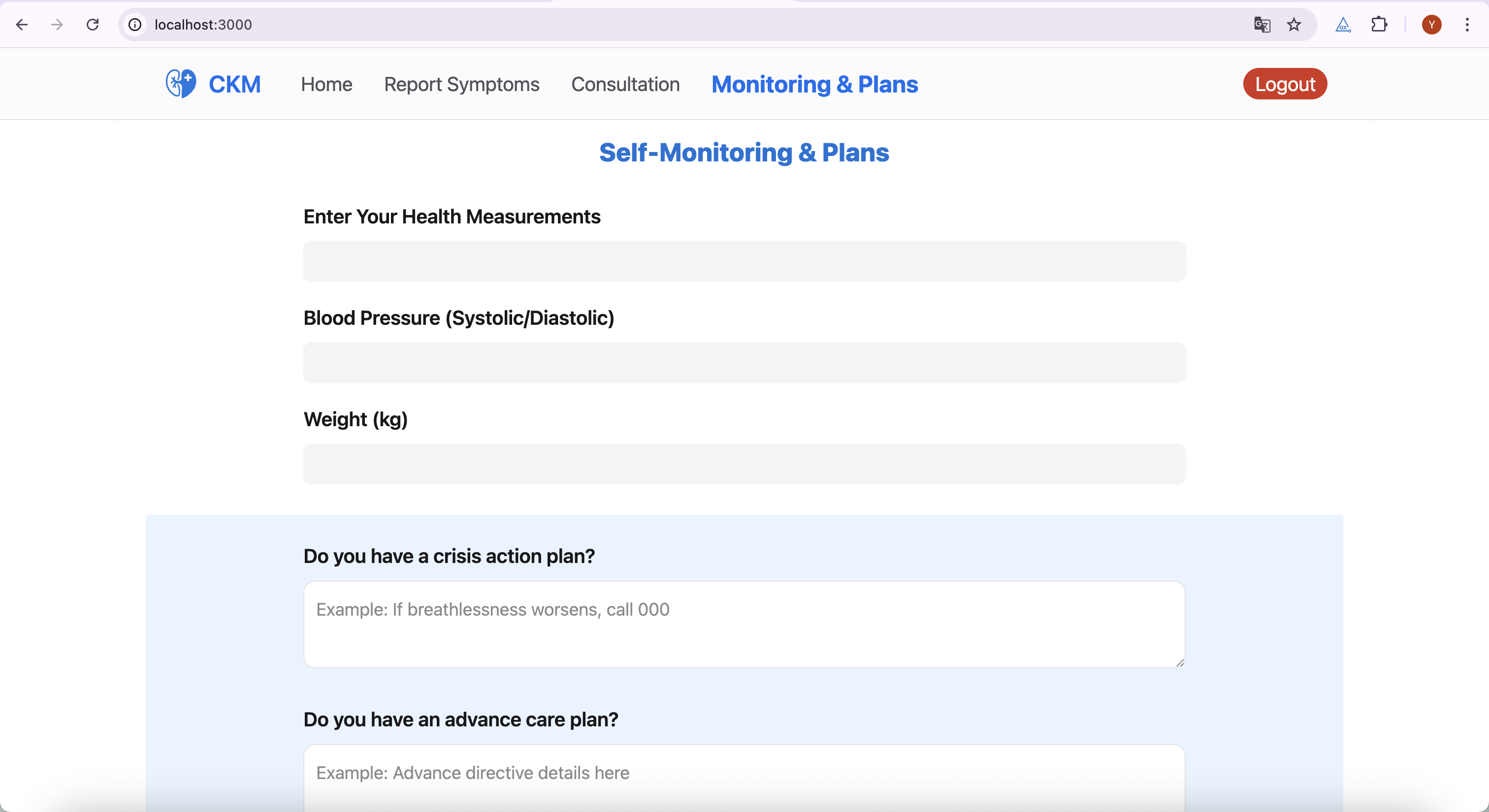
  • Vitals & Care Plans: Blood pressure, weight, crisis and advance care plans.
  • Nurse Review System: Real‑time notifications for timely clinical response.
  • Accessibility & Security: WCAG 2.2, encryption, and role‑based access.

Design Approach

User‑centred: Optimised for elderly users (~70y) with high contrast, large type, and clear navigation.

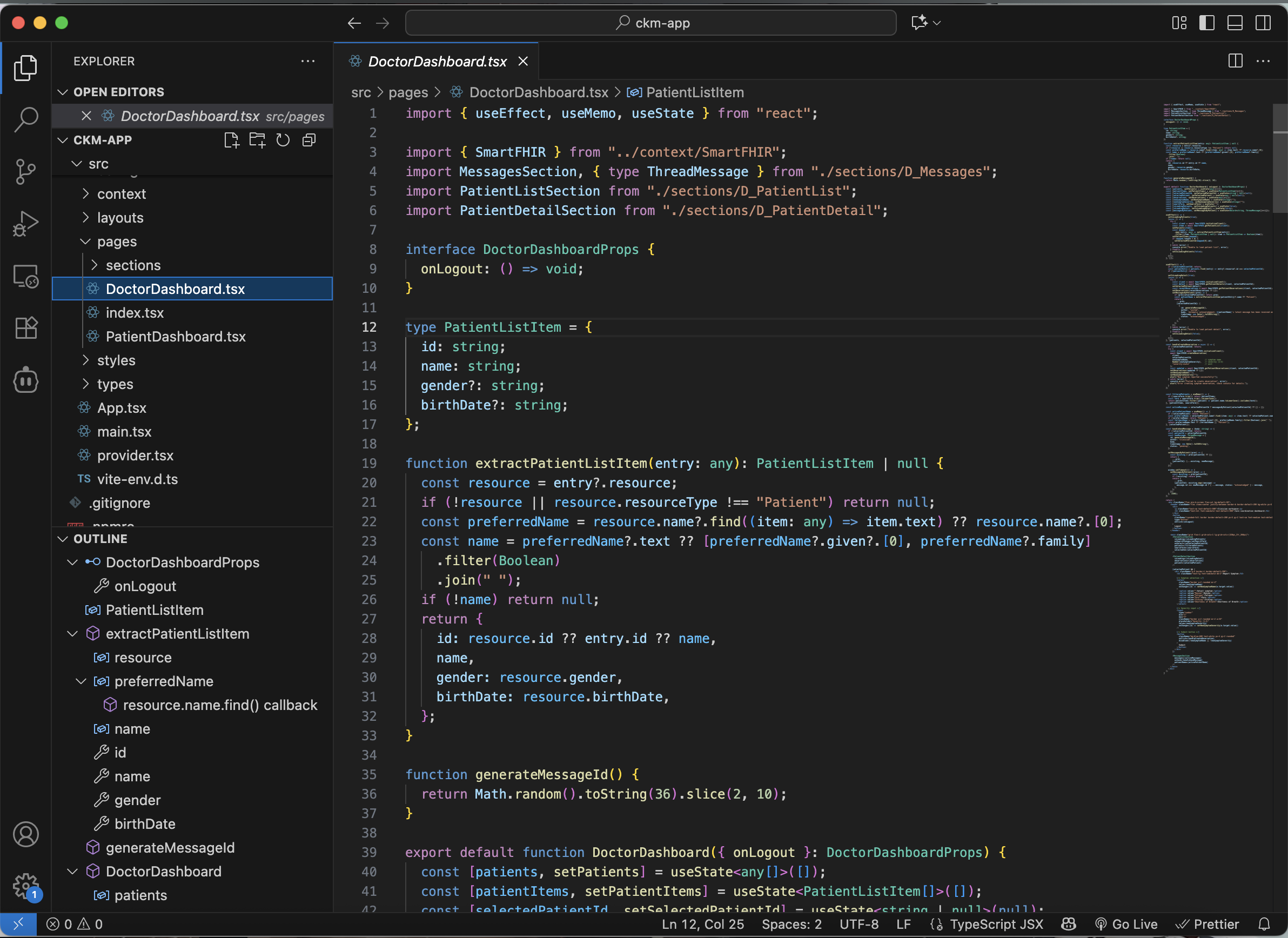
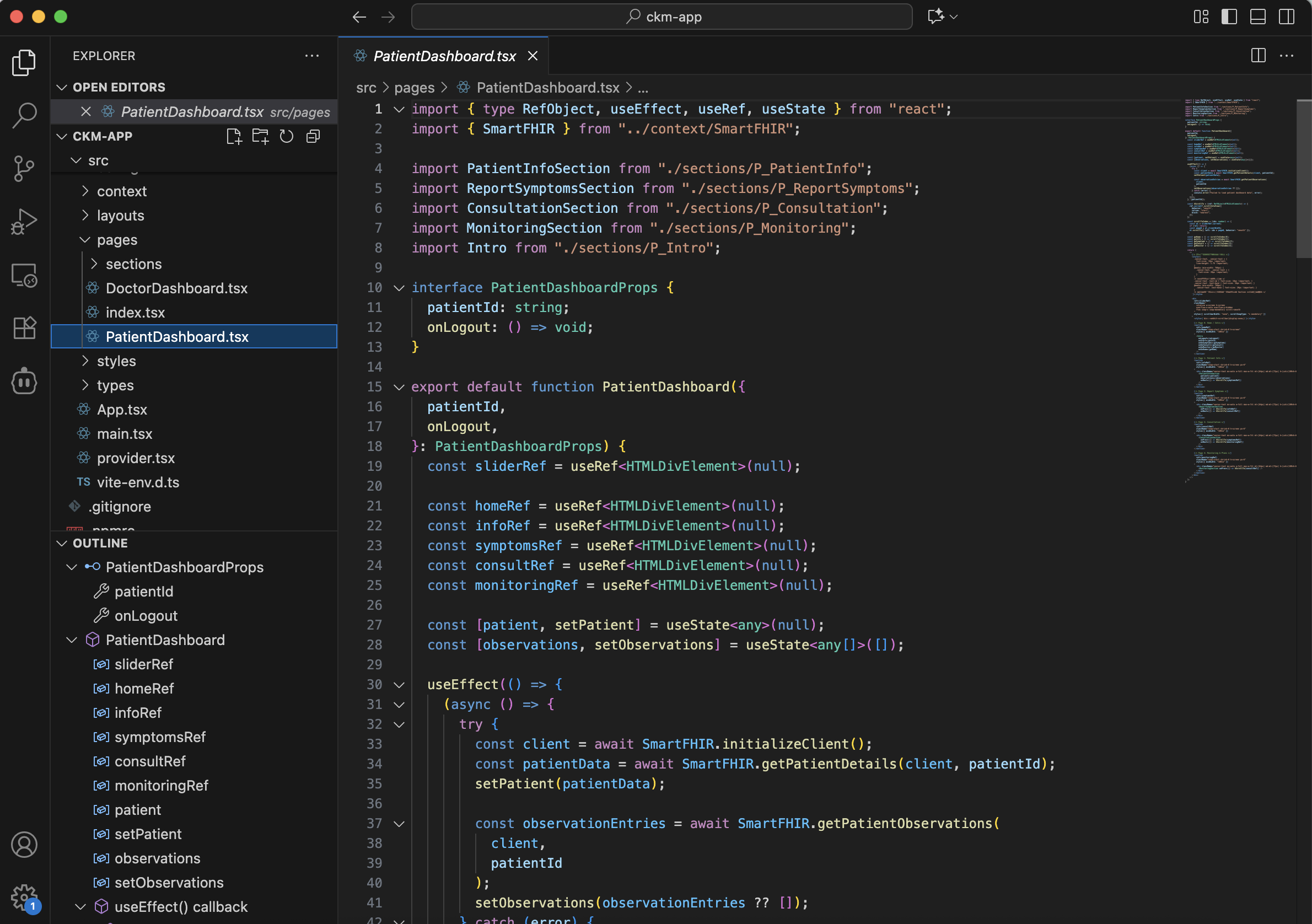
Separate Interfaces: Dedicated patient and clinician views improve usability and security.

SDLC‑Driven: We followed requirements → design → implementation → testing with continuous client feedback.

Impact

CKM aims to reduce hospital admissions via early intervention, enhance multi‑disciplinary coordination, and empower patients through education and real‑time communication. With FHIR interoperability, the solution is scalable to broader digital health ecosystems.

Reflection & Ongoing Work

Applying FHIR and SMART‑on‑FHIR in practice; designing accessible tools for vulnerable populations; and collaborating with a multidisciplinary client team. Next, we plan to extend analytics for symptom trends, add multilingual support, and enable push notifications to improve engagement.

Still in development.